 Image 1 of 2
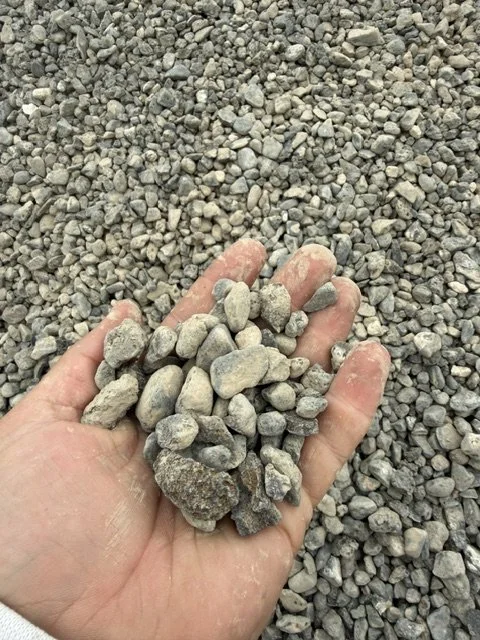 Image 2 of 2
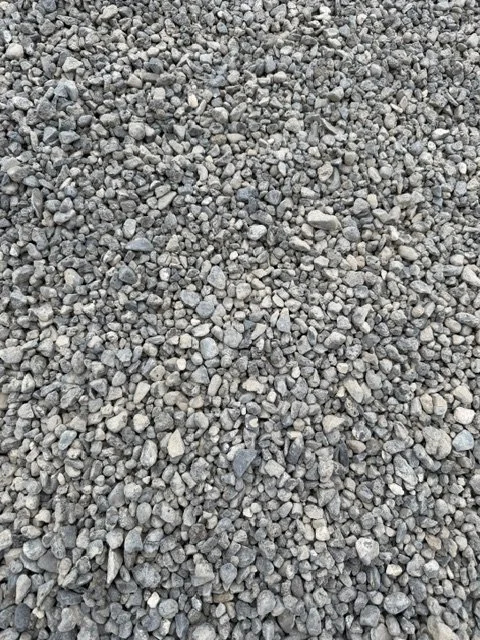
3/4″–2″ Screened Drain Rock
Short description: Washed, screened angular rock for drainage, erosion control, and durable paths. Great value vs. pea gravel—stays put, tracks less, and drains well.
Best uses:
Walking paths: More stable than pea gravel; fewer ruts and less scatter. Comfortable underfoot.
Drains: French drains, dry wells, culverts, septic fields, swales, behind retaining walls.
How to install:
Paths: Grade and compact sub-base. Lay landscape fabric. Spread 2–3" of rock, rake level, add edging to contain. Optional: light compaction.
Drains: 1%–2% slope. Fabric-lined trench, 4–6" bedding, perforated pipe (holes down), 2–4" cover, wrap fabric, backfill.
Walls: 12–18" drain zone with perforated pipe to daylight.
Coverage guide:
1 cubic yard covers 120–150 sq ft at 2" depth (60–75 sq ft at 4").
12" wide trench uses ~0.6–1.0 cubic yard per 10 ft (depth-dependent).
Notes:
Free-draining; not a “minus” compact base.
Ideal for Moses Lake’s basalt soils and dry climate.
3/4″–2″ Screened Drain Rock
Short description: Washed, screened angular rock for drainage, erosion control, and durable paths. Great value vs. pea gravel—stays put, tracks less, and drains well.
Best uses:
Walking paths: More stable than pea gravel; fewer ruts and less scatter. Comfortable underfoot.
Drains: French drains, dry wells, culverts, septic fields, swales, behind retaining walls.
How to install:
Paths: Grade and compact sub-base. Lay landscape fabric. Spread 2–3" of rock, rake level, add edging to contain. Optional: light compaction.
Drains: 1%–2% slope. Fabric-lined trench, 4–6" bedding, perforated pipe (holes down), 2–4" cover, wrap fabric, backfill.
Walls: 12–18" drain zone with perforated pipe to daylight.
Coverage guide:
1 cubic yard covers 120–150 sq ft at 2" depth (60–75 sq ft at 4").
12" wide trench uses ~0.6–1.0 cubic yard per 10 ft (depth-dependent).
Notes:
Free-draining; not a “minus” compact base.
Ideal for Moses Lake’s basalt soils and dry climate.